About the course
Course overview.
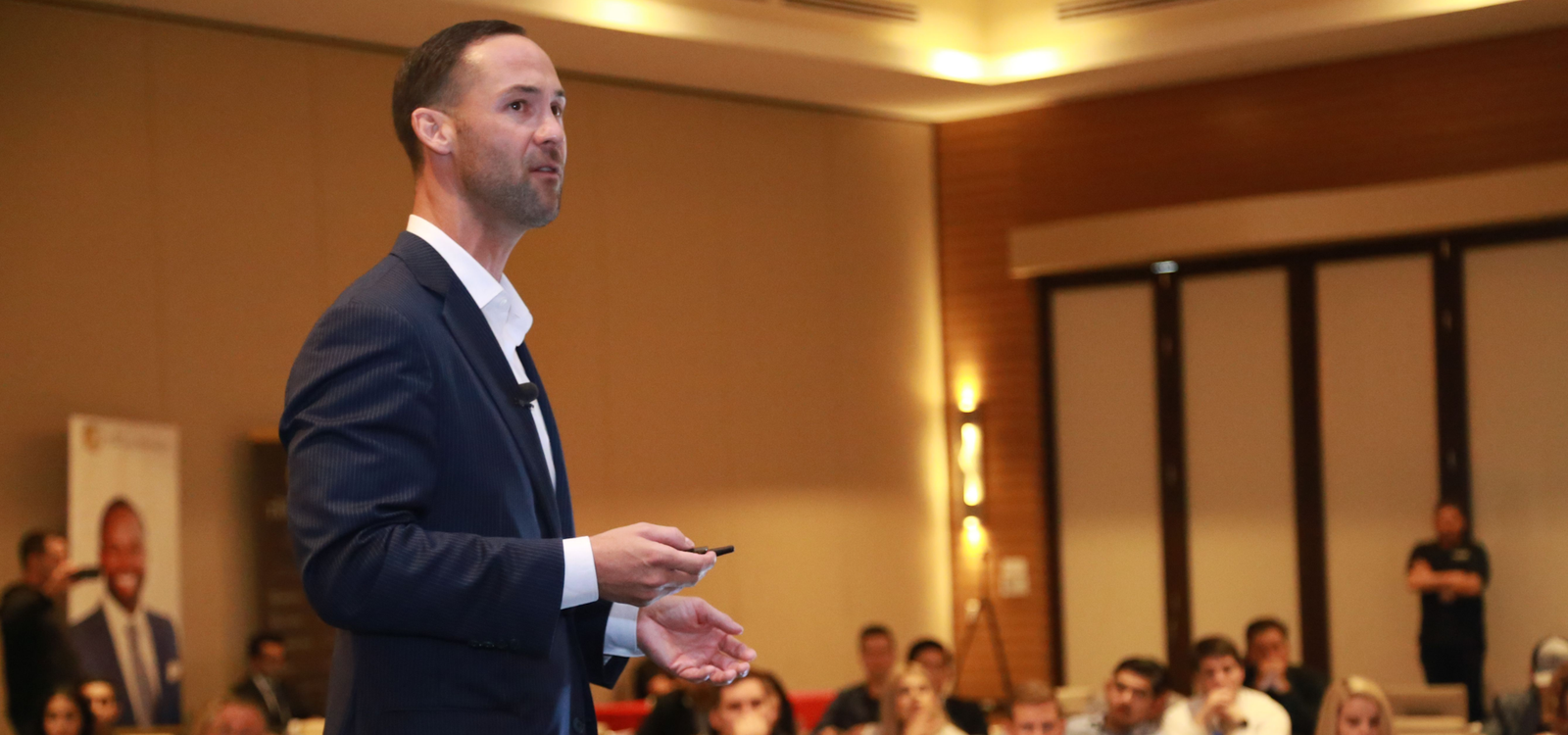
Practitioner-led by an instructor with both commercial and public-sector intelligence experience. We cover the toolset (search techniques, social media intelligence, corporate records, geospatial sources), the verification discipline that distinguishes intelligence from rumour, and the analytical frameworks that turn raw information into useful conclusions.
Who it's for.
Senior managers, investigators, due-diligence professionals, journalists, competitive intelligence analysts, fraud investigators, HR background-check professionals and anyone whose work depends on assembling accurate pictures of organisations, individuals or topics from public information.
What you'll learn.
01
The OSINT toolkit
Advanced search techniques (Google dorking, specialised search engines), social media intelligence (lawfully), corporate records (Companies House, equivalents internationally), property and land registries, court records, archived web content. The working sources used by professional researchers.
02
Verification and the analytical discipline
The verification techniques that distinguish intelligence from gossip: source triangulation, primary vs secondary sourcing, image and video provenance (reverse image search, EXIF, geolocation cross-checking) and the analytical frameworks (Analysis of Competing Hypotheses) that resist confirmation bias.
03
Legal, ethical and operational security
The UK legal framework around OSINT work — Computer Misuse Act, Data Protection Act, RIPA, the limits of lawful collection. Plus the operational-security disciplines that protect both the researcher and the integrity of the investigation.
04
Automated reconnaissance and link analysis
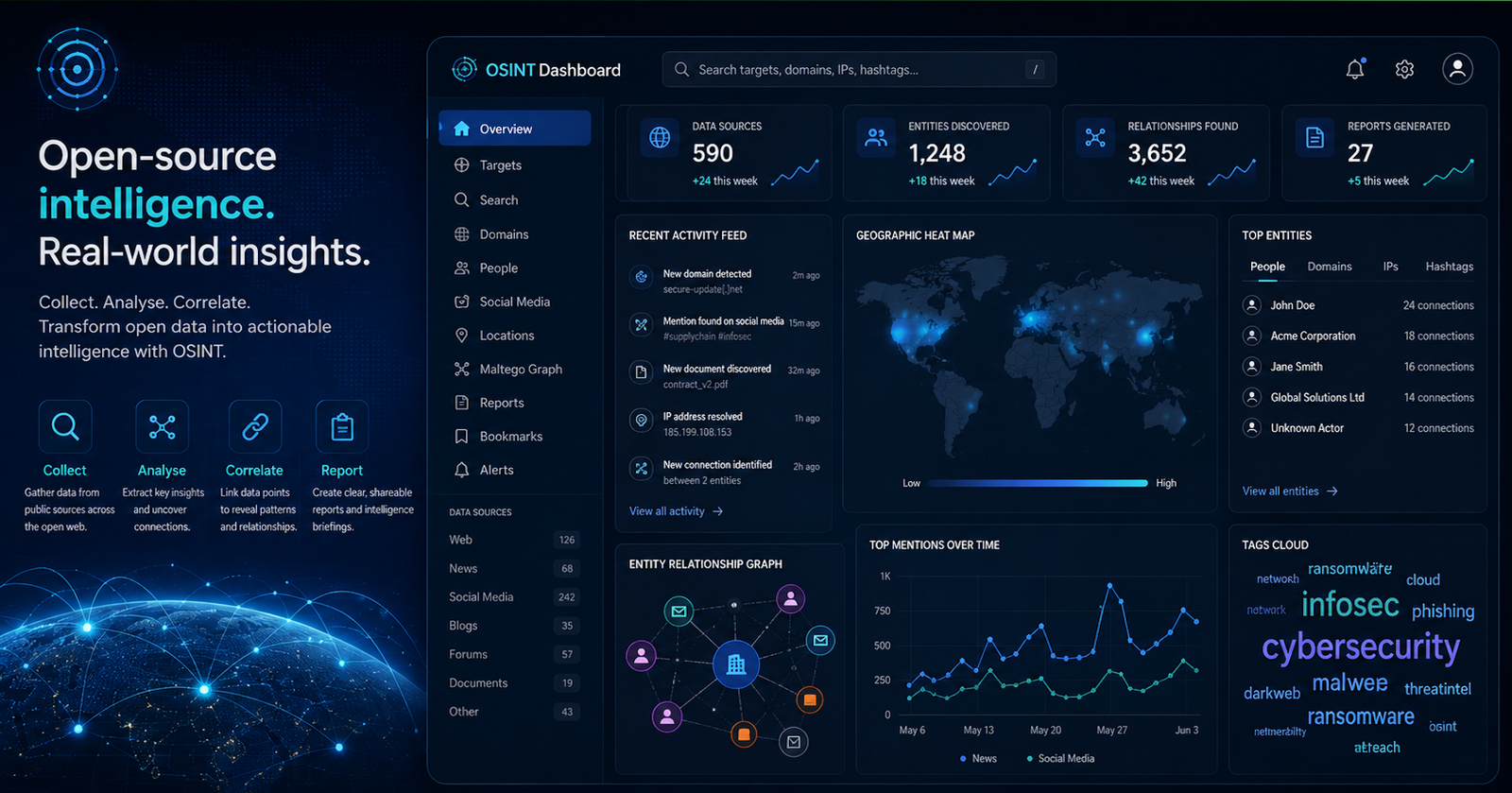
The open-source tools professional investigators use: theHarvester and Recon-ng for domain and email footprinting, SpiderFoot for automated scanning, Sherlock, Social Analyzer and PhoneInfoga for username and phone pivots, and Maltego for link analysis. You'll see when each tool earns its place, what its output really means, and how to verify it.
What you'll leave with.
By the end of the day you'll be able to:
- Plan an investigation with a clear question, scope and lawful basis
- Research safely without exposing yourself or alerting the subject
- Use advanced search, corporate records and archived web content
- Understand what theHarvester, Recon-ng, SpiderFoot, Sherlock, Social Analyzer, PhoneInfoga and Maltego do, and when to use each
- Verify findings, grade source reliability and report conclusions clearly
Before you book: None for most of the day. Some tools run from the command line; these are demonstrated step by step. Not sure it's the right level? Take the one-minute self-check.
Pairs well with: